Rooftop solar panel theft has been making the news recently. What doesn’t make the news, necessarily, is what happens before installation, which is exactly where syndicates have shifted their focus.
Panels in transit are at their most vulnerable. Still in their original packaging, palletised and unmarked, they’re easy to move, easy to sell, and nearly impossible to trace. Before panels are protected by monitoring systems or micro-dotted, they’re effectively anonymous, making them highly liquid and valuable on the black market.
Syndicates are well aware of this and have responded accordingly. They’ve placed spotters at ports and distribution centres, built relationships with logistics companies, and perfected tactics that go well beyond smash-and-grab. For example, thieves impersonating law enforcement or staging breakdowns to block the road have forced trucks to pull over. Ghost carriers – fraudulent transport companies that win legitimate contracts and then disappear with the load – are also on the rise. Meanwhile, insider access to route schedules and manifest data means some loads are compromised before the delivery even leaves the yard.
SAPS crime statistics recorded 420 truck hijackings in the second quarter of 2025 alone. The Transport Asset Protection Association (TAPA EMA) documented 2,670 cargo theft incidents across all nine provinces over 18 months, with confirmed losses of R577 million – a figure based on only a fraction of incidents that reported a financial value. The actual cost is vastly higher. And of all the countries driving the solar boom, South Africa has the unfortunate distinction of being the global epicentre for this kind of theft – a direct consequence of the grid instability that made solar so essential in the first place.
For solar cargo, the N3 and N1 highway corridors are known hotspots. Remote routes through areas with low cellphone signal are actively exploited, and the threat is growing in direct proportion to South Africa’s solar rollout.
Of course, a hijacked load isn’t just about replacing stock. It stalls projects while new inventory is sourced, leaving an installation team on site waiting for panels that won’t arrive. Logistics managers will know all about insurers raising premiums or declining cover for high-risk routes altogether. And for investors, these high-value thefts amount to capital written off before a single kilowatt-hour is generated.
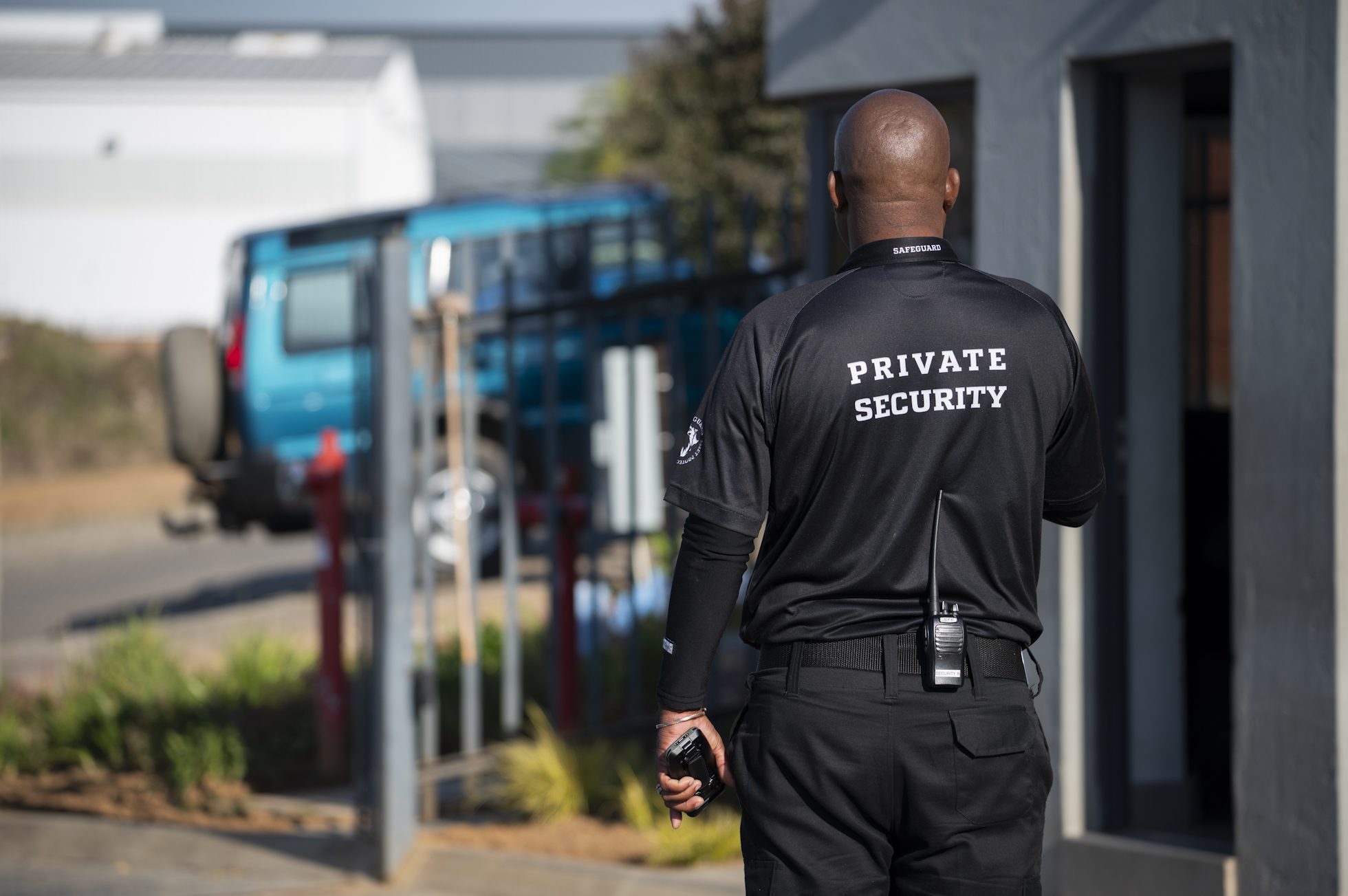
How can you best prevent this? Safeguard Asset Protection Service has a decade of experience providing escorting, guarding, and monitoring services throughout South Africa. Our well-established escort division serves major courier firms, farming co-operatives, and mining clients –industries where a single compromised load can lead to losses of millions.
Our PSIRA-registered teams are specially trained to handle high-threat transport scenarios and are equipped with real-time asset tracking along with active, armed escorts from port to site. In the past year alone, Safeguard has successfully escorted high-value cargo across thousands of kilometres along South Africa’s most vulnerable routes without incident.
Syndicates targeting solar panels are organised, intelligence-driven operations that evaluate risk prior to acting. If said risk becomes too high, they move on to a different target. The most effective defence is to ensure your products are not worth their attempt.
If your panels are on the road, the threat is already in motion. Contact Safeguard Asset Protection Service today to secure your supply chain before the next load leaves the yard.